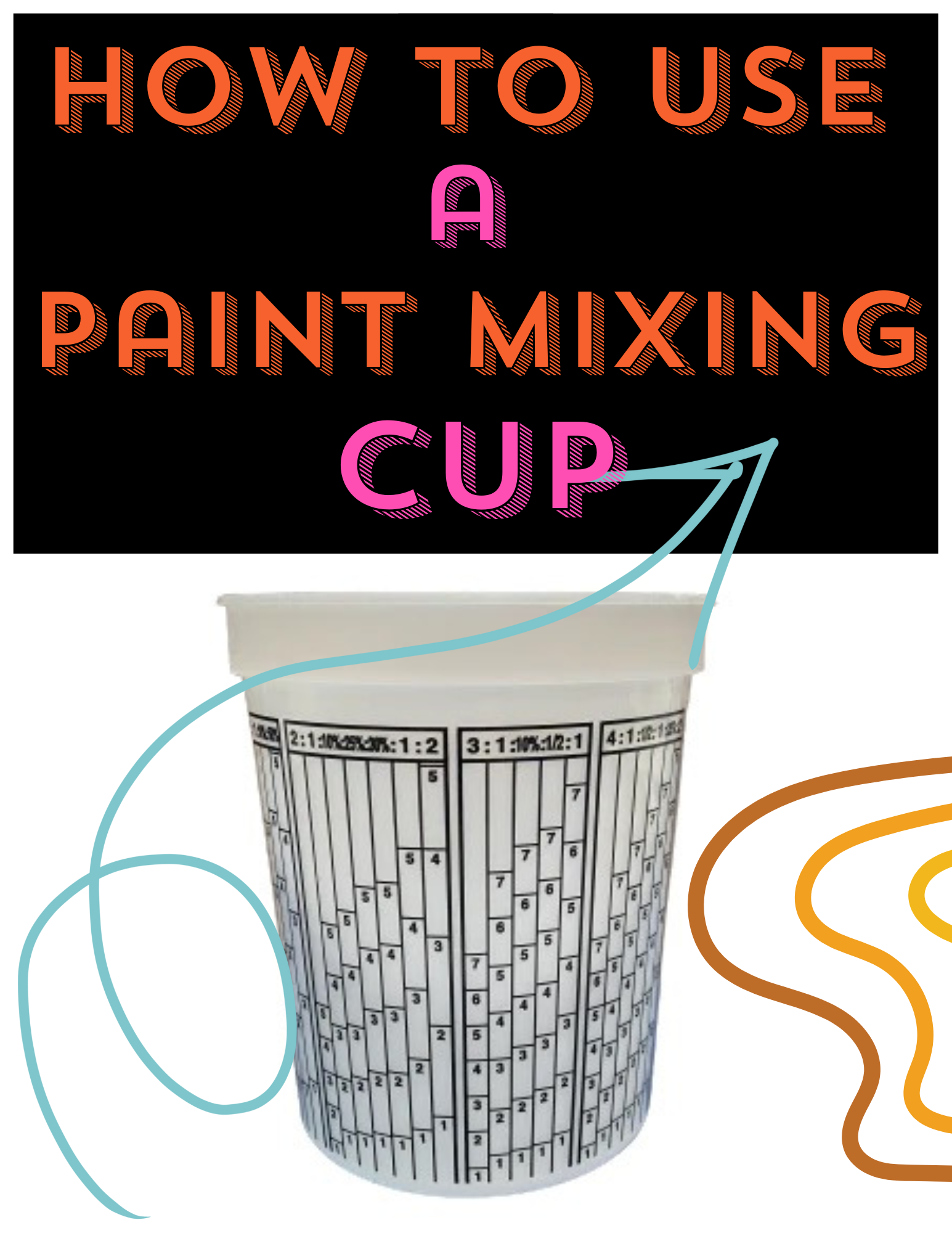
Learning how to paint cars at home can be exciting—but one of the most confusing steps for beginners is using a paint mixing cup correctly. If you’ve ever looked at a mixing cup and felt overwhelmed by all the numbers and ratios, you’re not alone.
The good news? Paint mixing is easier than it looks, and once you understand it, your paint jobs will immediately improve.
Why Proper Paint Mixing Matters
Correct paint mixing is essential for:
- Smooth paint application
- Proper drying and curing
- Avoiding runs, sags, and orange peel
- Getting professional-looking results at home
Many DIY car painters struggle because they guess instead of following the correct paint mixing ratios. A paint mixing cup removes the guesswork—when you know how to read it.
Why Paint Mixing Cups Confuse Beginners
Paint mixing cups use ratio scales like 2:1, 3:1, and 4:1, which can look intimidating at first. But you don’t need math skills or body shop experience to understand them.
You only need:
- The correct ratio
- The right side of the cup
- A simple step-by-step method
That’s exactly what my beginner guide teaches.
Download the Beginner’s GuideInstant PDF download • Perfect for DIY car painters
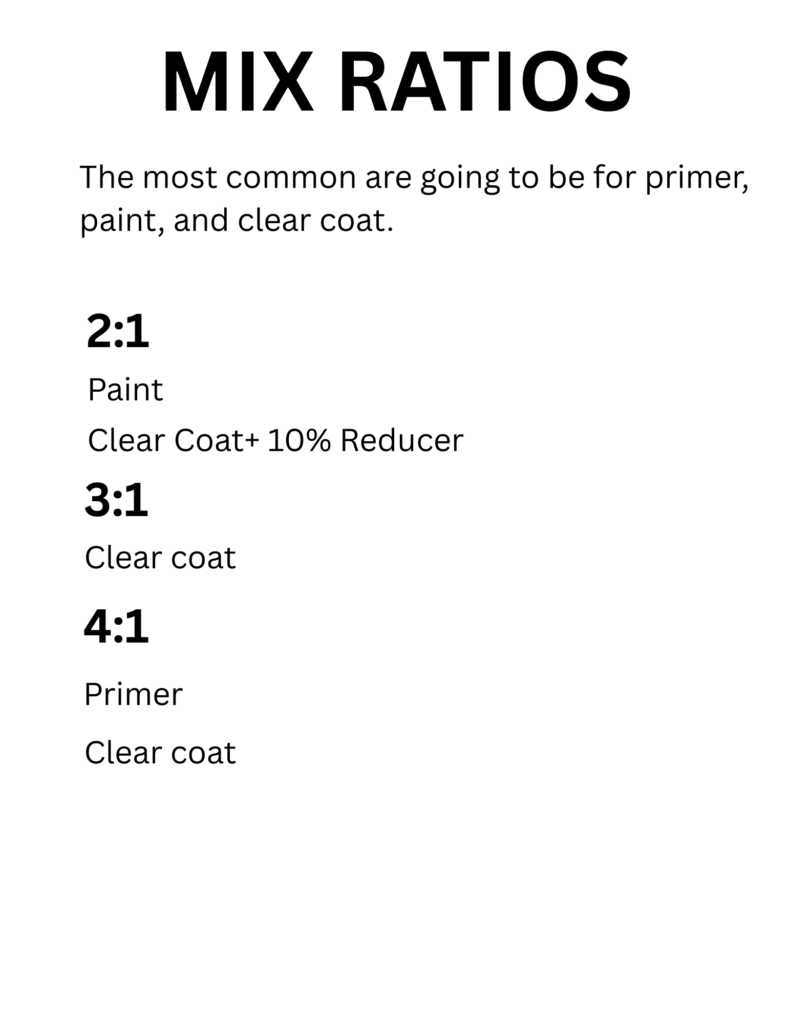
Beginner’s Paint Mixing Cup PDF Guide
I created a simple, easy-to-follow PDF specifically for beginners and DIY automotive painters. It shows you:
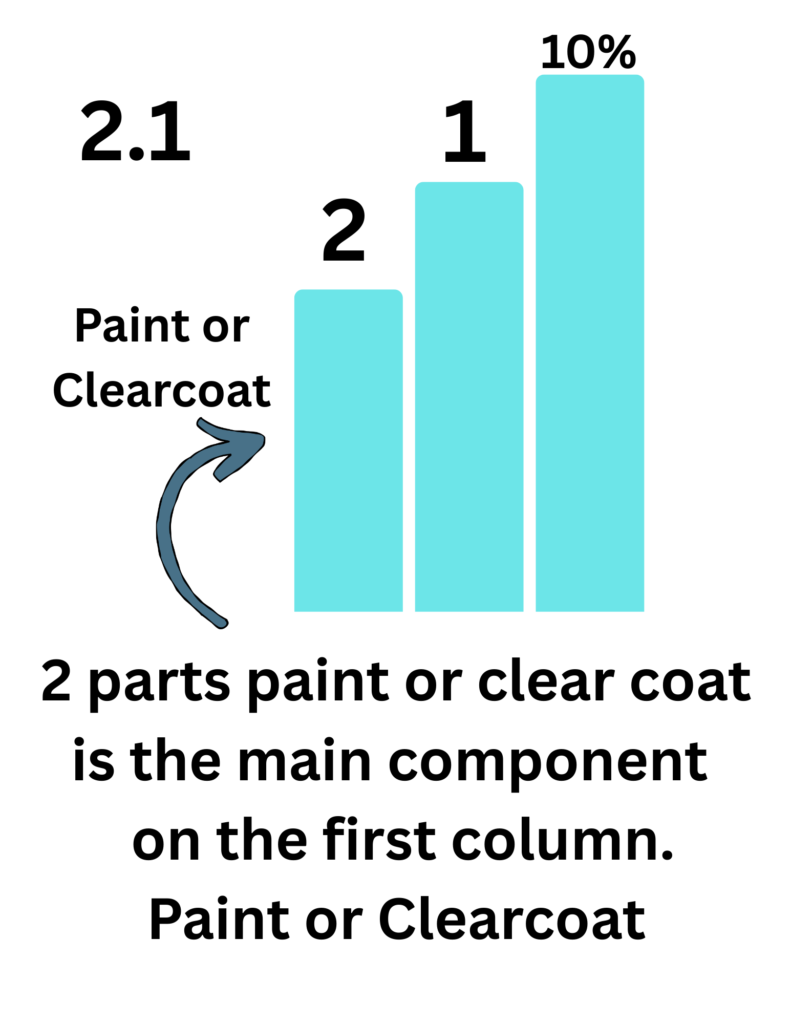
- How to read a paint mixing cup
- Where to pour paint, hardener, and reducer
- How to mix basecoat, clearcoat, and primer
- How to avoid wasting paint and materials
No technical jargon. No guessing. Just clear instructions you can use immediately.
Learn to Mix Paint With Confidence
If you want better results when painting cars at home, learning how to use a paint mixing cup is a must.
📥 Download the Beginner’s Guide to Using a Paint Mixing Cup
and take the confusion out of automotive paint mixing—once and for all.
Leave a Reply